


Introduction
Adderall is one of the most recognized names in ADHD treatment, and also one of the most misunderstood. Some people picture a simple “focus pill.” Others worry it’s little more than a controlled substance with a prescription label attached. The truth sits in between.
Adderall is a central nervous system stimulant built from four amphetamine salts. It’s FDA-approved for attention-deficit/hyperactivity disorder (ADHD) and narcolepsy, and it has helped millions of people manage symptoms that once made school, work, and daily routines genuinely difficult. It also carries real risks — dependence, cardiovascular strain, and psychiatric side effects among them — which is why it’s tightly regulated as a Schedule II controlled substance in the United States.
This guide walks through what Adderall is, how it works, who it’s meant for, and what to watch out for, so you can have a more informed conversation with your prescriber. It is not a substitute for that conversation.
Note: If you were looking for a different medication with a similar-sounding name, this article covers Adderall specifically — the brand containing dextroamphetamine saccharate, amphetamine aspartate monohydrate, dextroamphetamine sulfate, and amphetamine sulfate. It is distinct from lisdexamfetamine (Vyvanse), a related but chemically different prodrug stimulant.
Quick Facts Table
| Attribute | Details |
|---|---|
| Generic Name | Amphetamine and dextroamphetamine (mixed amphetamine salts) |
| Brand Names | Adderall, Adderall XR (related but distinct product: Mydayis) |
| Drug Class | Central nervous system (CNS) stimulant, amphetamine |
| Controlled Substance Schedule | Schedule II (United States, DEA) |
| Prescription Status | Prescription only |
| Approved Uses | ADHD, narcolepsy |
| Dosage Forms | Immediate-release tablet; extended-release capsule (XR) |
| Initial U.S. Approval | Adderall IR: 1996 label; Adderall XR: 2001 |
| Boxed Warning | Yes — abuse, misuse, and addiction potential |
| Pregnancy Considerations | Use only if benefits outweigh risks; discuss with prescriber |
| Typical Onset (IR) | 30–60 minutes |
| Typical Duration (IR) | Roughly 4–6 hours |
| Typical Duration (XR) | Roughly 10–12 hours |
Medicine Overview
Adderall combines two forms of amphetamine — amphetamine and dextroamphetamine — in a fixed 3:1 ratio across four different salt forms. That blend isn’t arbitrary; it was designed to produce a steadier clinical effect than a single-salt amphetamine product, with a profile that many prescribers and patients have found predictable over decades of use.
The immediate-release tablet was approved for ADHD in the mid-1990s, building on an older amphetamine product that had actually been used for weight management and narcolepsy long before that. Adderall XR, the extended-release capsule, followed in 2001. It uses a bead technology that releases about half the dose right away and the rest several hours later, aiming for one-a-day dosing instead of multiple doses spread across the day.
Because Adderall directly affects brain chemistry tied to alertness, motivation, and appetite, it has a recognized potential for misuse — a reality reflected in its Schedule II status and its boxed warning. That doesn’t mean it’s inappropriate for the people it’s meant to help; it means it needs careful prescribing, honest conversations about history and risk factors, and ongoing monitoring.
How It Works
ADHD is linked to differences in how the brain regulates two chemical messengers: dopamine and norepinephrine. In simple terms, these neurotransmitters help the brain filter out distractions, sustain attention, and regulate impulse control.
Adderall works by increasing the amount of dopamine and norepinephrine available in the spaces between brain cells. It does this two ways: by prompting nerve cells to release more of these chemicals, and by slowing down how quickly they get reabsorbed. The net effect, for someone with ADHD, is often improved ability to concentrate, sit with a task, and resist distraction.
For narcolepsy, the same stimulant action that improves focus also promotes wakefulness, which is why Adderall is approved to treat excessive daytime sleepiness associated with that condition.
It’s worth noting this mechanism is not unique to people with ADHD — it will produce stimulant effects in anyone who takes it, which is part of why nonmedical use is a genuine public health concern. The therapeutic benefit in ADHD comes from correcting an underlying neurochemical pattern, not from a “boost” that only helps certain people.
Approved Uses
Adderall (and Adderall XR) is FDA-approved for:
- Attention-Deficit/Hyperactivity Disorder (ADHD) — Adderall IR is approved for patients age 3 and older; Adderall XR is approved for patients age 6 and older. It’s used as part of a broader treatment plan that may also include behavioral therapy, especially in children.
- Narcolepsy — Adderall IR is approved to treat excessive daytime sleepiness in narcolepsy in patients age 6 and older.
Adderall is not FDA-approved for weight loss, cognitive enhancement in people without ADHD, or general fatigue, even though amphetamines have a documented history of being used for appetite suppression decades ago.
Common Off-Label Uses
The following uses are not FDA-approved. They reflect patterns seen in clinical practice or limited research, and evidence quality varies. Off-label use should only happen under a prescriber’s direction after weighing risks and benefits.
- Augmentation in treatment-resistant depression — Some clinicians add a stimulant like Adderall to an existing antidepressant regimen when standard treatments haven’t fully worked. Evidence here is limited and mixed, and this is considered a specialist-level decision, not a first-line approach.
- Excessive daytime sleepiness from other causes — Occasionally used off-label for sleepiness related to conditions other than narcolepsy, though other agents are usually preferred first.
Using Adderall without a prescription, or using someone else’s prescription, to “study better” or increase productivity is misuse, not an off-label use — it carries real legal and health risks and is not something this article encourages or endorses.
Benefits
When appropriately prescribed, people with ADHD often report:
- Improved ability to start and finish tasks
- Reduced impulsivity and fewer instances of interrupting or acting without thinking
- Better sustained attention during school, work, or focused activities
- Less internal restlessness in some individuals
Benefits vary significantly from person to person, and Adderall does not “cure” ADHD — it manages symptoms while it’s active in the system. Many people combine it with behavioral strategies, organizational tools, and, in some cases, therapy for the best overall results.
Available Dosage Forms
| Form | Product | Release Pattern |
|---|---|---|
| Tablet | Adderall (IR) | Immediate-release; effects begin within roughly 30–60 minutes |
| Capsule | Adderall XR | Extended-release; dual-pulse delivery over the day |
Available Strengths
| Product | Strengths Available |
|---|---|
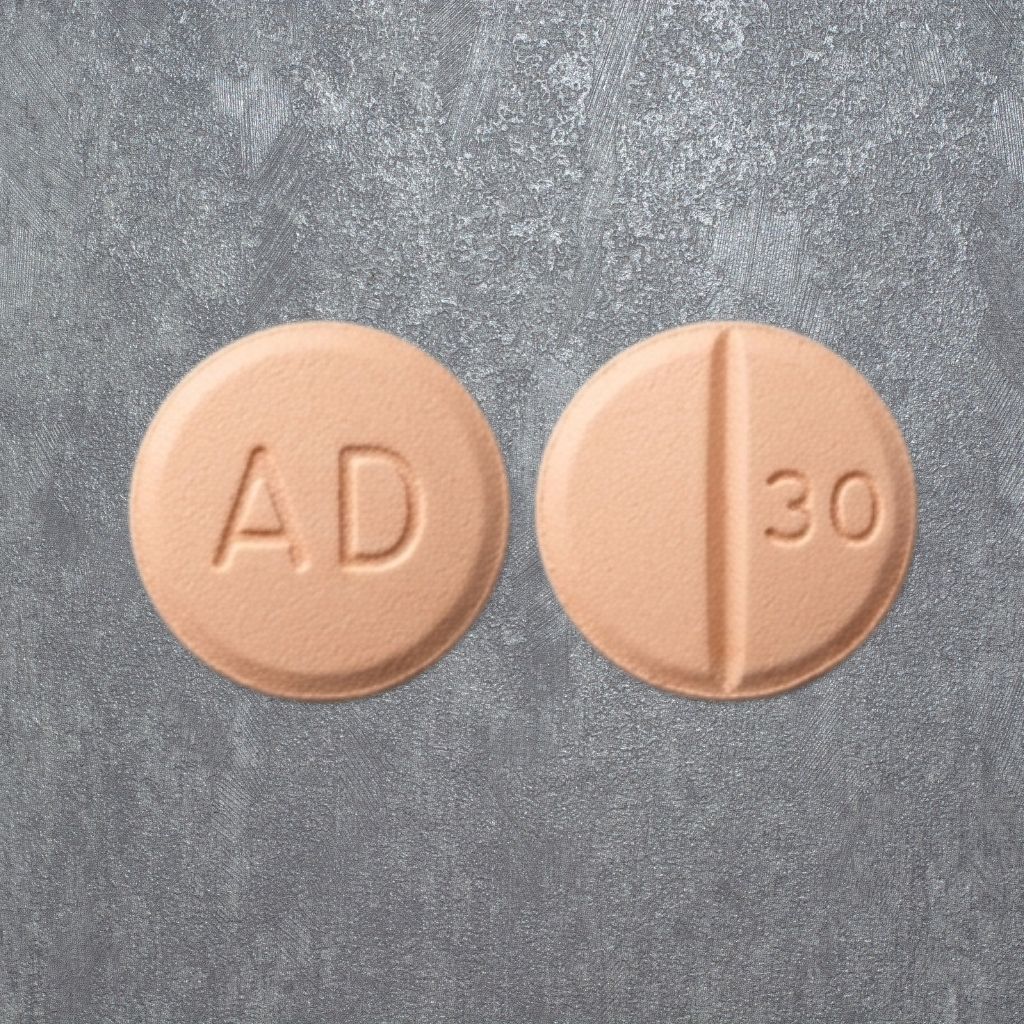
| Adderall (IR) tablets | 5 mg, 7.5 mg, 10 mg, 12.5 mg, 15 mg, 20 mg, 30 mg |
| Adderall XR capsules | 5 mg, 10 mg, 15 mg, 20 mg, 25 mg, 30 mg |
Dosage Guidelines
This is general educational information, not individualized medical advice. Actual dosing is determined by a prescriber based on age, diagnosis, response, and other health factors.
Prescribers typically start at a low dose and adjust gradually based on symptom response and side effects — a process often called titration. Adderall IR is commonly dosed once in the morning with additional doses spaced several hours apart if needed, while Adderall XR is generally designed for a single morning dose.
Because both individual response and legitimate clinical need vary widely, there’s no single “correct” dose. Never adjust your dose, or a child’s dose, without first talking to the prescribing clinician.
How to Take
- Take exactly as prescribed, at the same time(s) each day when possible.
- Adderall XR capsules can be swallowed whole, or for patients who have difficulty swallowing, the capsule may be opened and the contents sprinkled on a small amount of applesauce and consumed immediately without chewing — only do this if your specific product’s labeling and your prescriber confirm it’s appropriate.
- Adderall IR tablets are swallowed whole.
- Take with or without food, though eating something can help offset appetite suppression and stomach upset for some people.
When to Take
Adderall is almost always taken in the morning. Because it’s a stimulant, taking it later in the day frequently interferes with falling asleep at night. If more than one IR dose is prescribed, the additional dose is usually scheduled for early afternoon, not evening.
How Long It Takes to Work
Most people notice effects from Adderall IR within 30 to 60 minutes of taking it. Adderall XR, because of its delayed-release design, may take a little longer to reach its full effect but is built to last through more of the day from a single dose.
Full assessment of whether a dose or formulation is working well for ADHD symptoms usually takes place over days to weeks, not a single dose — prescribers often ask patients or caregivers to track symptoms during this period.
Duration of Action
| Product | Approximate Duration |
|---|---|
| Adderall (IR) | 4–6 hours |
| Adderall XR | 10–12 hours |
Individual metabolism, other medications, and even urine pH can shift how long effects last, which is one reason dosing is individualized.
Who Should Use It
Adderall may be appropriate for individuals who:
- Have been formally diagnosed with ADHD by a qualified clinician
- Have narcolepsy with confirmed excessive daytime sleepiness
- Do not have the cardiovascular, psychiatric, or substance-use contraindications described below
- Can be monitored regularly by a prescriber
Who Should Avoid It
Adderall is generally not appropriate for people with:
- A history of cardiovascular disease, structural heart abnormalities, or arrhythmias
- Moderate to severe hypertension or hyperthyroidism
- A current or recent (within 14 days) MAOI prescription
- Active substance use disorder or significant risk of misuse, without careful specialist oversight
- Known hypersensitivity to sympathomimetic amines
Contraindications
| Contraindication | Reason |
|---|---|
| MAOI use (current or within 14 days) | Risk of hypertensive crisis |
| Advanced arteriosclerosis or symptomatic cardiovascular disease | Increased risk of serious cardiac events |
| Moderate to severe hypertension | Amphetamines raise blood pressure |
| Hyperthyroidism | Can worsen cardiovascular symptoms |
| Known hypersensitivity to amphetamine products | Risk of allergic reaction |
| Glaucoma | Amphetamines can raise intraocular pressure |
| Agitated states | Stimulant effects can worsen agitation |
| History of drug abuse (relative contraindication) | Elevated risk of misuse and dependence |
Warnings
Adderall carries an FDA boxed warning — the agency’s strongest warning — regarding abuse, misuse, and addiction, noting that these can lead to overdose and death. Beyond the boxed warning, prescribing information highlights several additional concerns:
- Cardiovascular risk: Sudden death has been reported in patients with underlying structural heart problems. Adderall can also raise blood pressure and heart rate in people without pre-existing heart disease.
- Psychiatric risk: New-onset psychotic or manic symptoms can occur even in people with no prior psychiatric history, particularly at standard doses. Pre-existing psychiatric conditions can also worsen.
- Peripheral vascular effects: Rare reports of Raynaud’s-like circulation changes in fingers and toes.
- Growth suppression in children: Long-term stimulant use has been associated with modest slowing of growth in some children, which is why height and weight are tracked over time.
- Seizure threshold: May lower the seizure threshold in people with a seizure disorder.
- Priapism: Rare reports of prolonged, painful erections associated with amphetamine products — a medical emergency if it occurs.
Precautions
- Have blood pressure, heart rate, and personal/family cardiac history reviewed before starting.
- Disclose any history of mental health conditions, especially bipolar disorder, psychosis, or a family history of these conditions.
- Store securely — Schedule II medications are frequently targeted for diversion or theft.
- Avoid combining with other stimulants, decongestants, or unsupervised supplements without checking with a pharmacist or prescriber.
- Periodic “drug holidays” are sometimes used in children to reassess whether ongoing treatment and current dosing remain appropriate — always at your prescriber’s direction.
Drug Interactions
| Interacting Substance/Class | Effect | Guidance |
|---|---|---|
| MAOIs (e.g., phenelzine, selegiline) | Risk of hypertensive crisis | Contraindicated within 14 days |
| SSRIs, SNRIs, triptans, other serotonergic drugs | Risk of serotonin syndrome | Use with caution; monitor for symptoms |
| Urinary acidifying agents (e.g., ascorbic acid, some fruit juices) | Reduced amphetamine absorption/effect | Timing may need adjustment |
| Urinary alkalinizing agents (e.g., sodium bicarbonate) | Increased amphetamine levels | Avoid co-administration when possible |
| Tricyclic antidepressants | Amphetamine effects may be potentiated | Use with caution |
| Antihypertensive medications | Amphetamines can reduce their effectiveness | Monitor blood pressure |
| CYP2D6 inhibitors | Can alter amphetamine metabolism | Dose adjustment may be needed |
This is not an exhaustive list. Always give your prescriber and pharmacist a full list of prescription drugs, over-the-counter products, and supplements you take.
Food Interactions
Adderall can generally be taken with or without food. Highly acidic foods and beverages (citrus juices, vitamin C supplements) taken close to a dose may slightly reduce absorption, while some people find taking it with food helps offset nausea or appetite suppression.
Alcohol Interactions
Alcohol and Adderall are generally discouraged together. Alcohol can mask the subjective feeling of stimulant effects, potentially leading someone to take more than intended, and the combination can add extra strain on the cardiovascular system. If you drink, talk with your prescriber about what’s reasonable for your situation.
Pregnancy
Amphetamines cross the placenta. Available data have not shown a clear increase in major birth defects, but use during pregnancy — particularly in the third trimester — has been associated with risks including preterm birth, low birth weight, and neonatal withdrawal symptoms such as poor feeding, irritability, or agitation in the newborn. Untreated ADHD also carries its own risks during pregnancy for some patients, which is why this decision is individualized. Anyone who is pregnant or planning pregnancy should discuss the full risk-benefit picture with their prescriber rather than stopping or starting the medication independently.
Breastfeeding
Amphetamines pass into breast milk and can affect a nursing infant, including possible irritability or feeding disruption. Because of this, breastfeeding while taking Adderall is generally approached cautiously, and some clinicians recommend monitoring the infant closely or considering alternatives. This should be a shared decision between the parent and their healthcare team.
Children
Adderall IR is approved for ADHD starting at age 3; Adderall XR starting at age 6. In children, prescribers typically monitor height, weight, appetite, sleep, and mood at regular intervals, since growth suppression and appetite changes are more likely to be noticed in a growing child than in an adult.
Older Adults
Clinical trial data in older adults is limited, since ADHD is most often diagnosed and treated earlier in life. Older adults may be more sensitive to cardiovascular side effects and are more likely to have other health conditions or take medications that interact with stimulants, so extra caution and closer monitoring are typical.
Kidney Disease
The kidneys play a significant role in clearing amphetamines from the body. Reduced kidney function can lead to higher drug levels for longer, so dose adjustments or closer monitoring are often needed. Adderall XR specifically is not recommended in patients with end-stage renal disease per current prescribing information.
Liver Disease
There is limited specific dosing data for liver impairment, but since the liver is involved in amphetamine metabolism, caution and clinical judgment are used when prescribing to patients with significant liver disease.
Side Effects
Common Side Effects
| Side Effect | Notes |
|---|---|
| Decreased appetite | Often most noticeable in the first weeks |
| Insomnia or trouble falling asleep | More likely with later dosing |
| Dry mouth | Usually mild |
| Headache | Often improves over time |
| Stomach upset or nausea | May lessen when taken with food |
| Increased heart rate | Should be monitored, especially early in treatment |
| Irritability or mood changes | Report significant changes to your prescriber |
| Weight loss | More common with longer-term use |
Serious Side Effects
Seek prompt medical attention for:
- Chest pain, fainting, or shortness of breath
- Signs of a heart attack or stroke (sudden weakness, slurred speech, severe headache)
- New or worsening hallucinations, paranoia, or mania
- Uncontrolled muscle movements or tics
- Numbness, pain, or color changes in fingers or toes
- Prolonged or painful erection (priapism)
- Signs of serotonin syndrome: agitation, rapid heartbeat, high fever, muscle rigidity, confusion
Allergic Reactions
Signs of a serious allergic reaction include hives, rash, swelling of the face/lips/tongue/throat, and difficulty breathing. This requires emergency medical care right away.
Missed Dose
If a dose is missed, take it as soon as remembered — unless it’s late in the day, in which case skip it to avoid interfering with sleep. Never double up doses to make up for one that was missed, and never adjust a schedule without checking with your prescriber first.
Overdose
Amphetamine overdose is a medical emergency. Symptoms can include restlessness, tremor, rapid or irregular heartbeat, high fever, confusion, hallucinations, aggressive behavior, seizures, and in severe cases, cardiovascular collapse. If overdose is suspected, call 911 or your local emergency number immediately, or contact Poison Control. Do not wait to see if symptoms improve on their own.
Storage
- Store at room temperature, away from excess heat and moisture (avoid bathrooms).
- Keep in the original, labeled container.
- Because Adderall is a controlled substance with abuse potential, store it in a secure, ideally locked location, out of sight and reach of children, teens, and visitors.
- Do not share your prescription with anyone else — this is both a safety issue and, in most places, illegal.
Disposal
Unused or expired Adderall should not simply be thrown in household trash or flushed unless specifically instructed. The preferred method is a DEA-authorized drug take-back program or take-back box, often available at pharmacies or during periodic National Prescription Drug Take Back events. If no take-back option is available, follow FDA guidance: mix remaining pills with an unappealing substance like used coffee grounds or kitty litter, seal in a bag, and dispose of in household trash, while removing personal information from the original bottle.
Monitoring
Ongoing Adderall treatment typically involves periodic checks of:
- Blood pressure and heart rate
- Height and weight, especially in children
- Sleep quality and appetite
- Mood, anxiety levels, and any new psychiatric symptoms
- Overall effectiveness for ADHD or narcolepsy symptoms
- Signs of tolerance, dependence, or misuse
Lifestyle Advice
- Keep a consistent sleep schedule; stimulants can make existing sleep problems worse if timing isn’t managed well.
- Stay hydrated and try to eat regular meals, even if appetite is reduced.
- Avoid combining with other stimulants (including excessive caffeine) without medical guidance.
- Track how you’re doing — many prescribers find it useful when patients or caregivers note focus, mood, appetite, and sleep patterns between visits.
- Don’t stop long-term or high-dose treatment abruptly without medical guidance; while amphetamine physical dependence differs from some other substances, some people notice fatigue, low mood, or increased appetite when stopping.
Myths vs. Facts
| Myth | Fact |
|---|---|
| “Adderall makes anyone smarter or more productive.” | In people without ADHD, it may create a subjective feeling of focus but does not reliably improve actual cognitive performance and carries real health and legal risk when used without a prescription. |
| “If it’s prescribed, it can’t be addictive.” | Adderall carries an FDA boxed warning for abuse, misuse, and addiction, even when taken as prescribed by people with legitimate need — which is why monitoring matters. |
| “Adderall and Adderall XR are basically interchangeable.” | They differ meaningfully in release profile and typical dosing frequency; switching between them is a clinical decision, not a casual substitution. |
| “Natural supplements are a safe substitute for Adderall.” | Over-the-counter “focus” supplements are not FDA-regulated for ADHD treatment and lack the rigorous safety and efficacy data behind Adderall. |
| “You can’t take Adderall if you’re an adult with ADHD.” | Adderall is commonly and appropriately prescribed to adults with diagnosed ADHD. |
Conclusion
Adderall remains a well-studied, FDA-approved option for ADHD and narcolepsy that has meaningfully helped many people manage real, functional symptoms. At the same time, its stimulant effects, cardiovascular impact, and potential for misuse are not footnotes — they’re central to how it should be prescribed, taken, and monitored.
The right decision about whether Adderall is appropriate, and at what dose, depends on individual health history, other medications, and how someone responds over time. None of that can be determined from a general article — only from an ongoing relationship with a qualified healthcare professional who knows your full picture.
Medical Disclaimer
This article is provided for general educational and informational purposes only. It is not intended to diagnose, treat, cure, or prevent any disease, and it is not a substitute for professional medical advice, diagnosis, or treatment from a qualified healthcare provider. Always seek the advice of your physician, psychiatrist, or pharmacist with any questions you may have regarding a medical condition or medication, including Adderall. Never disregard professional medical advice or delay seeking it because of something you have read here. Drug information, including approved uses, dosing, warnings, and shortage status, can change — verify current details with your healthcare provider, pharmacist, or the FDA before making treatment decisions. If you think you may be experiencing a medical emergency, call your local emergency number immediately.
Reviews
There are no reviews yet.