
Call Now
+1(808)8626186

Categories


- Home
-

- product

Gastrointestinal Care Medicines – An Overview of Digestive Health Gastrointestinal health is very important for overall health because the digestive system breaks down food, absorbs nutrients, and eliminates waste. Medications... Read more

Showing all 2 results

 Select options
This product has multiple variants. The options may be chosen on the product page
Select options
This product has multiple variants. The options may be chosen on the product page  Select options
This product has multiple variants. The options may be chosen on the product page
Select options
This product has multiple variants. The options may be chosen on the product page Gastrointestinal health is very important for overall health because the digestive system breaks down food, absorbs nutrients, and eliminates waste. Medications for gastrointestinal care help with digestive comfort and common stomach and intestinal problems that can get in the way of daily life.
This group includes medicines that adults and kids who have stomach problems like acidity, bloating, constipation, diarrhea, or abdominal pain often take. When used correctly, these products help the digestive system work normally and ease symptoms. Because digestive problems can sometimes be signs of deeper health problems, it is strongly suggested that you talk to a doctor before starting any treatment.

Gastrointestinal care medicines are a group of treatments used to relieve problems and pain in the digestive tract, including the intestines and stomach. Their main job is to restore the digestive system to balance and ease symptoms that make digestion difficult.
To put it simply, these medicines may work by:
Getting rid of too much stomach acid
Making bowel movements more regular
Keeping the stomach lining safe
Helping the body digest food and absorb nutrients
Gastrointestinal care medicines are often used to temporarily treat symptoms and support long-term digestive health, provided a doctor is monitoring. People who have digestive problems that keep coming back or conditions that a doctor has diagnosed are often told to take them.
To put it simply, these medicines may work by:
Gastrointestinal care medicines are often used to temporarily treat symptoms and keep the digestive system healthy in the long term, as long as a doctor is monitoring. People who have digestive problems that keep coming back or conditions that a doctor has diagnosed are often told to take them.
You can use gastrointestinal care medicines to help with the following digestive problems:
A doctor or nurse can help you figure out what's wrong and suggest the best way to treat it.

There are different kinds of gastrointestinal care medicines for people of different ages, tastes, and digestive needs:
Which form to use depends on the illness being treated and what a doctor says.
It takes careful thought and help from a healthcare provider to choose the right medicine for gastrointestinal care. Some important factors are:
1. Things to think about are the type, length, and severity of digestive pain.
2. When it comes to medicines, some need a prescription in order to be used safely.
3. Age Factors: The needs of kids, teens, and older people are different.
4. Dosage Form: choose between tablets, syrups, or drops based on your comfort and ease of use.
5. A visit to the doctor is necessary to find the root causes and make sure the treatment is safe.
Do not take more than one digestive aid at the same time without first talking to a doctor.
Even though gastrointestinal care medicines are used by a lot of people, they must be used safely:

When you are pregnant or breastfeeding, you should only use it under medical supervision.
Digestive safety is ensured by responsible use under medical supervision.
Buying medicines for digestive problems from a reputable online pharmacy has a number of benefits, including:
Always make sure the pharmacy is real, and always follow the directions on your prescription.
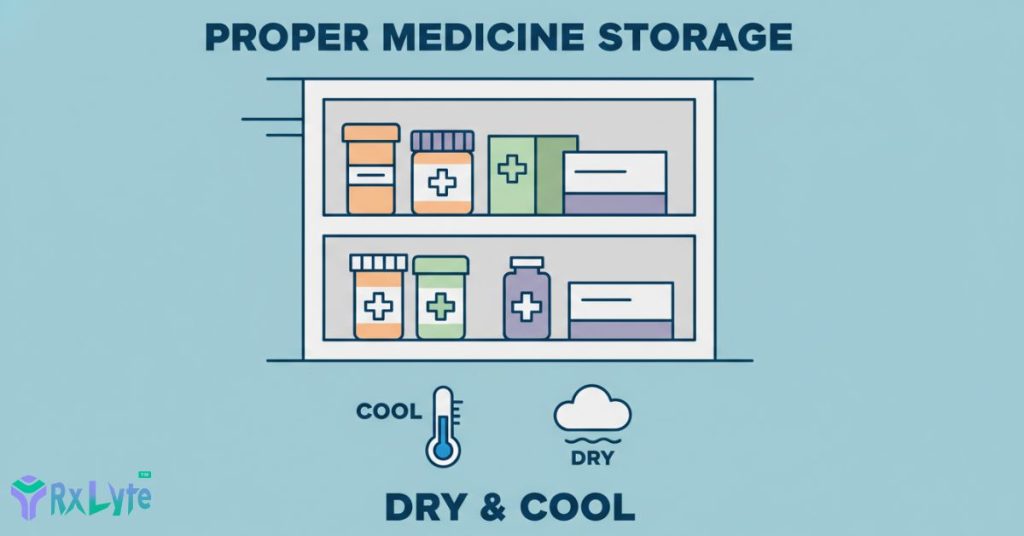
To keep the quality and effectiveness of medicines high:
Check the packaging instructions for specific storage instructions.