
Call Now
+1(808)8626186

Categories


- Home
-

- product

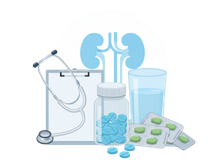
A Look at Diuretics Medicines Diuretics are a group of medicines that help the body get rid of extra salt and water. They are sometimes called "water tablets." People who... Read more
Showing all 2 results

 Select options
This product has multiple variants. The options may be chosen on the product page
Select options
This product has multiple variants. The options may be chosen on the product page  Sale! Select options
This product has multiple variants. The options may be chosen on the product page
Sale! Select options
This product has multiple variants. The options may be chosen on the product page Diuretics are a group of medicines that help the body get rid of extra salt and water. They are sometimes called "water tablets." People who retain water or have health problems related to blood pressure, heart function, or kidney function often take these medicines as part of their treatment plans.
When people's bodies hold on to too much water, they may need diuretics. This can make your legs, ankles, hands, or stomach swell, and for some people with certain health problems, it may make breathing hard. By making you pee more, diuretics can help you feel better overall and take care of underlying health problems while you're under the care of a doctor.
These medicines are typically prescribed by doctors and are an important part of long-term treatment strategies for specific health conditions. When used correctly, they help lower too much fluid, ease swelling, and protect the health of your heart and kidneys.
There are medicines called diuretics that make your body make more urine. To put it simply, they tell the kidneys to get rid of extra salt and water in the blood. This helps reduce the amount of fluid circulating in the body.
By getting rid of extra water, diuretics may help:
They are usually taken with the help of a doctor and are often used as part of long-term medical treatment plans.
They can be used to treat the following:
Most diuretics come in pill or liquid form, but pharmacies may have a variety of forms available based on patient needs and treatment combinations:
(Topical forms like creams or inhalers aren't usually diuretics, but they may show up in other types of treatments.)
A doctor or nurse should always help you choose a diuretic or similar drug. Take a look at this:
1. Thoughts on the Symptoms
If you have swelling, shortness of breath from fluids, or concerns about your blood pressure, you should see a doctor.
2. Rx vs. over-the-counter
To get most diuretics, you need a prescription. Do not try to treat fluid retention on your own without first talking to a doctor.
3. Taking Age into Account
Children, older adults, and people who have long-term illnesses may need extra care.
4. Choose Your Dosage Form
You can pick tablets, capsules, or liquids based on your comfort level and what your doctor recommends.
5. A visit to the doctor is Essential:
Diuretics change the balance of minerals and fluids, so it's important to use them under the supervision of a doctor.
When used correctly, diuretics work, but they aren't right for everyone.
Be careful with drug interactions:
Diuretics can affect how well blood pressure, heart, diabetes, and supplement drugs work. Always tell your doctor about all the medicines you take.
During pregnancy and breastfeeding:
If you are pregnant or breastfeeding, you should only use it if a doctor tells you to.
There are several benefits to buying medicines from a reputable online pharmacy:
Always check to see if the pharmacy has a license and only sells real goods.
Keeping medicines in the right way helps keep their quality:
Is it okay to take diuretics without a prescription?
Because they change the balance of minerals and fluids, most diuretics need to be prescribed. Talk to a doctor first every time.
How long does it work?
Some effects may start to show within hours, but the overall benefits will depend on the condition being treated and the doctor's advice.
Do they have any side effects?
Yes, like all medicines, diuretics can have side effects like making you pee more, feeling dizzy, or changing the levels of minerals in your body.
What if I use diuretics every day?
People with certain conditions often use it every day, but only under the supervision of a doctor.
Do I need to be watched while I take these medicines?
During treatment, doctors often check the patient's blood pressure, kidney function, and mineral levels.