


Introduction
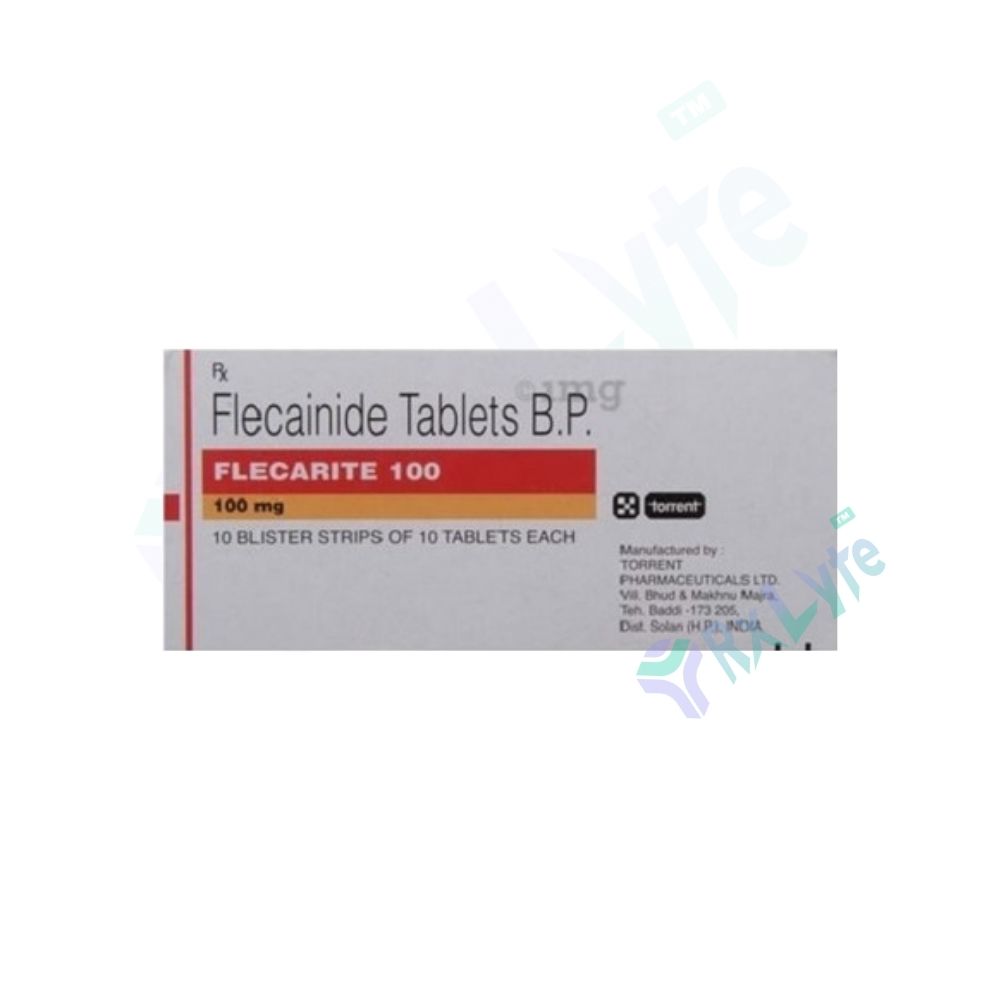
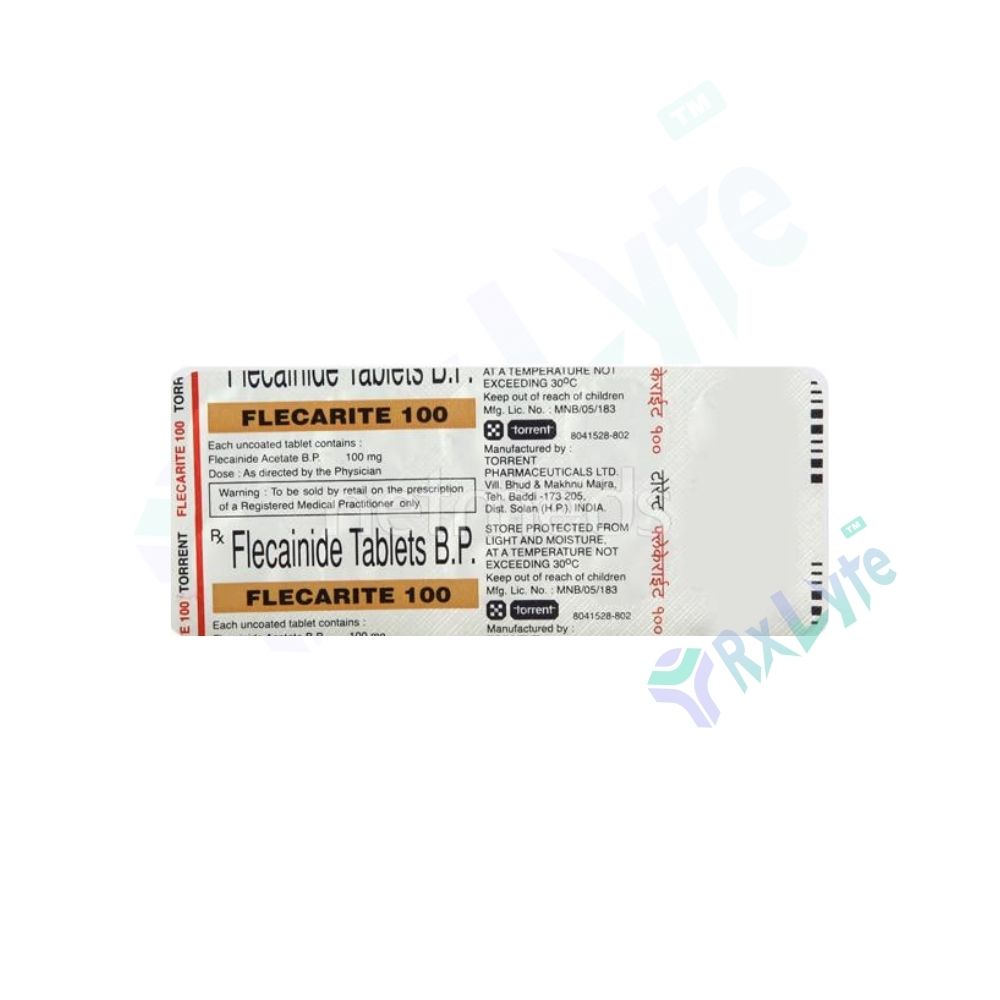
Flecarite 100 mg is a prescription drug that is often used to treat certain heart rhythm problems (arrhythmias). Its main ingredient is flecainide, a well-known antiarrhythmic drug that helps regulate the heart’s electrical activity. Heart rhythm problems can make it hard for blood to flow properly and can cause serious complications if left untreated.
Flecainide 100 mg is an important drug in cardiology because it helps people with certain types of arrhythmias maintain a normal heart rhythm. It is often given when other treatments don’t work or aren’t right for the patient. Flecainide 100 mg can help reduce symptoms such as palpitations, dizziness, shortness of breath, and fatigue by stabilising the heart rhythm. This can make life better overall. Because this medicine works so well, it is always used under close medical supervision.
Ingredients
Flecainide
When you take 100 mg of Flecarite, the active ingredient is flecainide, which is an antiarrhythmic drug in the Class IC group. It slows the electrical signals that cause the heart to beat irregularly. Flecainide blocks sodium channels in heart cells. This helps stabilise the heart muscle’s abnormal electrical conduction.
By controlling these electrical impulses, Flecainide helps keep the heart from beating too quickly or irregularly, especially in the heart’s upper chambers. This specific mechanism is what makes Flecarite 100 mg work to maintain a steady, coordinated heartbeat, which is important for heart health.
Benefits
Flecarite 100 mg has a number of important medical benefits, such as:
- It helps treat and stop supraventricular arrhythmias.
- Helpful for some patients with atrial fibrillation and atrial flutter
- Lessens symptoms like heart palpitations, dizziness, and chest pain
- Supports and maintains a normal heart rate.
- Helps with daily tasks and quality of life
Flecarite 100 mg can be a good long-term treatment for people with certain rhythm disorders if it is used correctly.
Usage
How to Give and Take It
- Flecarite 100 mg should only be taken as directed by a medical professional.
- The usual dose depends on the type of arrhythmia, the patient’s age, kidney function, and overall health.
- You can take tablets by mouth with water, with or without food.
- Depending on the patient’s response and tolerance, the dose may need to be adjusted.
Cares to Take
- During treatment, the heart may need to be checked regularly.
- People who have structural heart disease or have had a heart attack in the past should be very careful when taking Flecarite.
- Before you stop or change the dose, you should talk to your doctor.
- Tell your doctor about all the other medicines you’re taking to avoid interactions.
Problems with it
Flecarite 100 mg may have side effects, but not everyone gets them. This is true for all medicines.
Effects That Happen Often
- Feeling sick
- Trouble seeing
- Headache
- Sickness
Serious Side Effects (seek medical help right away)
- Arrhythmias getting worse
- Being unable to breathe
- Pain in the chest
- Arms, legs, or feet that swell up
Cautionary Notes and Not Recommended
- Not suggested for people who have certain serious heart conditions
- Be careful with this drug if you have kidney or liver problems.
- It should only be used with the help of a professional
Conclusion
The medicine flecainide 100 mg has been shown to be effective in treating certain heart rhythm problems in clinical trials. Its main ingredient, flecainide, helps stabilise the heart’s abnormal electrical activity, reducing symptoms and improving overall heart function. Flecarite 100 mg works very well, but it needs to be carefully dosed and monitored because it can be so effective. People who are thinking about taking this medicine or who are already taking it should always talk to a doctor or nurse to make sure they are getting a safe, effective treatment that fits their needs.
Reviews
There are no reviews yet.