


Danniel Martinez
Verified Author Certified Health Writer M.A Psychology AHCJ Member
 MEDICALLY REVIEWED
Dr. Sarah Chen, MD, PhD
Neurologist & Cognitive Researcher
 Harvard Medical School Harvard Medical School Harvard Medical School
 Introduction
Pain can happen at any time, like when you have a headache or sprain a muscle after working out. Millions of people deal with pain every day with the help of painkillers, which improves their quality of life and ability to do daily tasks. 24.3% of adults in the U.S., or about 60 million people, have chronic pain. Rates have been going up since the pandemic. About 20% of adults around the world deal with pain that doesn’t go away. Pain killers, both over-the-counter (OTC) and prescription, are broken down in this guide into types, along with their benefits, risks, and safe practices. You’ll learn how to talk to your doctor about your options with confidence.
What Are Pain Relief Medicines?
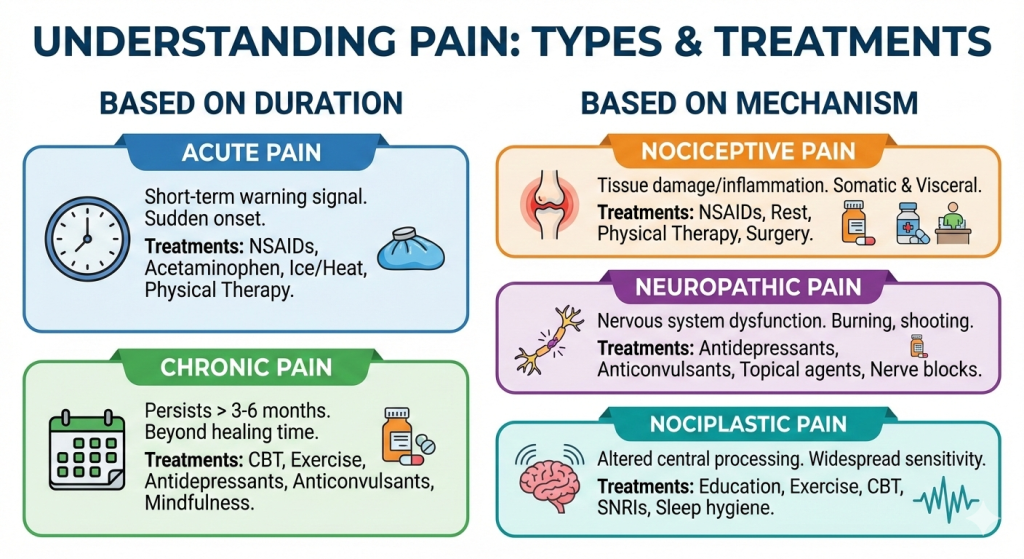
Painkillers are put into groups based on how strong they are and how easy they are to get. When they treat pain, from minor aches to severe, long-lasting pain, they don’t get to the root of the problem.
Buying Things Over the Counter
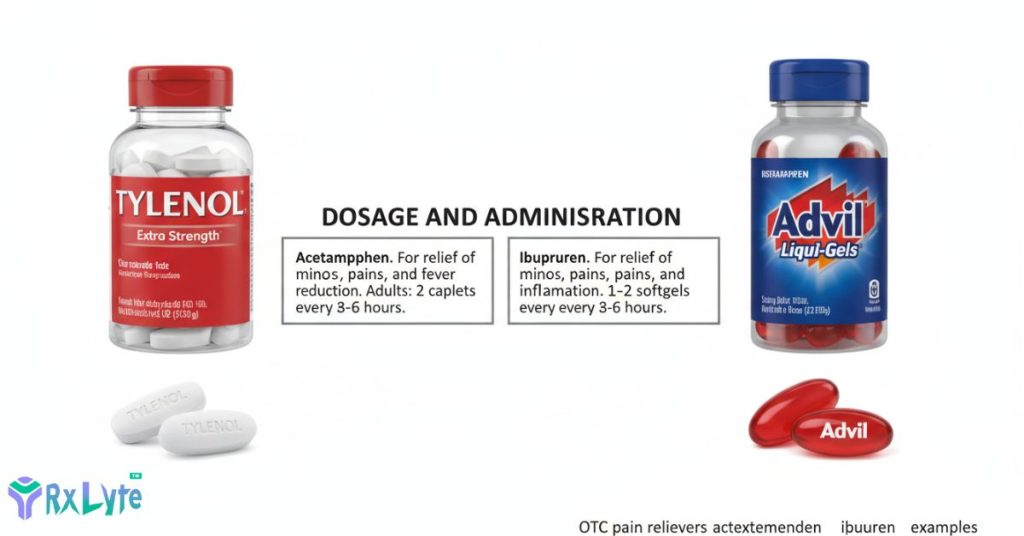
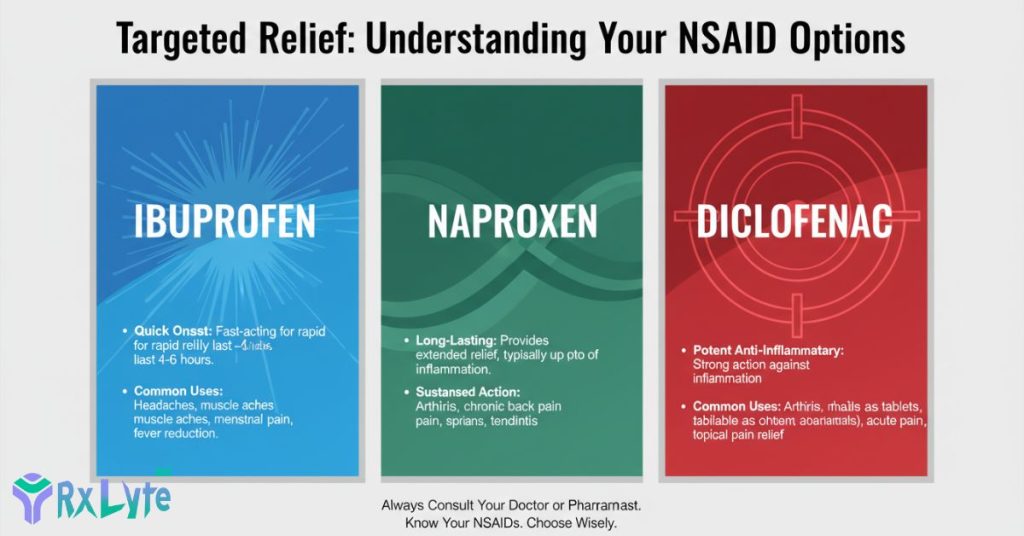
Pain killers that you can buy without a prescription include acetaminophen (Tylenol) and NSAIDs such as ibuprofen (Advil, Motrin) and naproxen (Aleve). Aspirin and Voltaren gel (a topical diclofenac) also belong here. These can be used for everyday problems without a prescription.
Choices for Prescription Strength
Doctors give stronger NSAIDs or opioids, like hydrocodone or oxycodone mixed with acetaminophen, to people who are in a lot of pain. Because they pose a greater risk, these need to be monitored.
How do medicines that ease pain work?
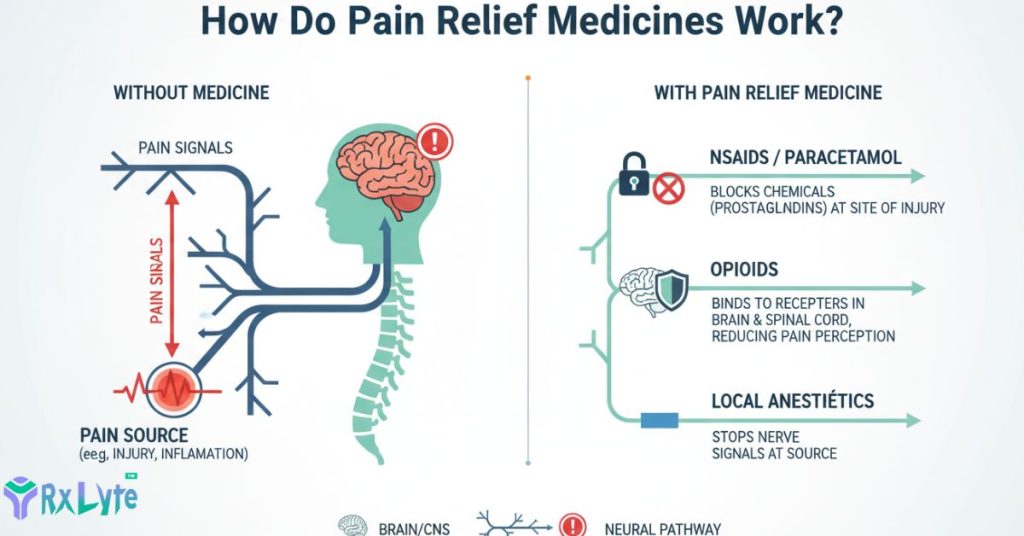
By altering body chemistry, these drugs block pain signals. Based on the type, the effects can start anywhere from 30 minutes to 12 hours later.
How Acetaminophen Works
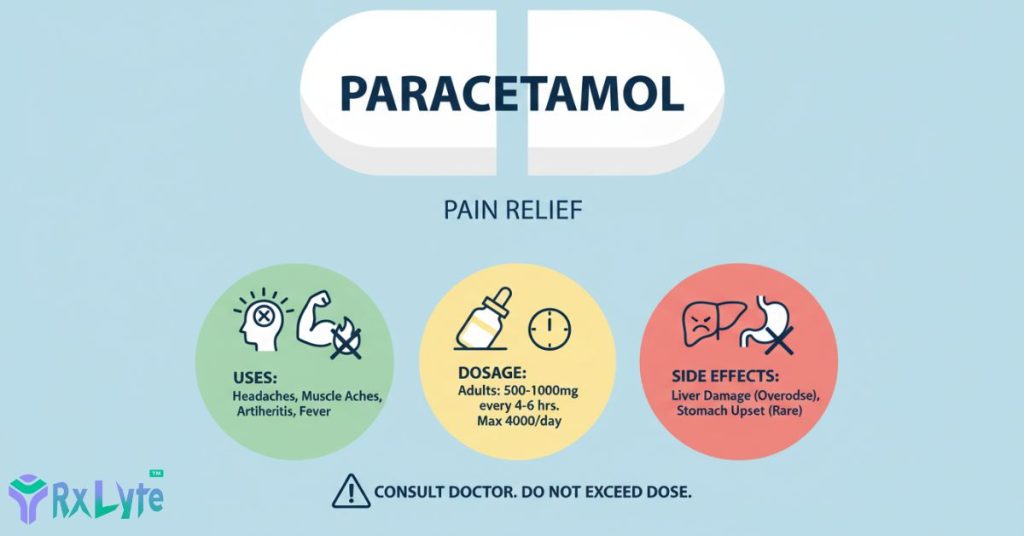
Acetaminophen mainly inhibits cyclooxygenase (COX) enzymes in the brain, blocking pain and fever signals but not reducing inflammation. It works better for headaches or fevers than for swelling.
How NSAIDs Help You Feel Better
NSAIDs block COX enzymes throughout the body. This stops prostaglandins from causing pain, swelling, and fever. If you have arthritis or cramps, ibuprofen or naproxen works great.
What Opioids Do to the Body
Opioids bind to mu receptors in the brain and spinal cord, reducing pain perception and calming the emotional response. They are only for short-term heavy pain.
Uses and benefits of medicine
Painkillers are used to treat headaches, back pain, arthritis, dental problems, and recovery from surgery. Acetaminophen is safe for most people to use to treat fever and mild pain. NSAIDs are good at reducing inflammation, which can help with sprains or menstrual pain. There is evidence that ibuprofen 400 mg is as effective as stronger painkillers with fewer side effects. Opioids help when other treatments don’t work, but non-drug treatments like ice work even better. One benefit is faster mobility, which is important because 8.5% of U.S. adults can’t move around without pain from impact.
How to Give and Take It
Doses for adults vary, so make sure you follow the directions on the label or your doctor’s advice.
| Acetaminophen | Tylenol | 325-650 mg every 4-6 hrs | 4,000 mg | Water, anytime |
| NSAIDs (Ibuprofen) | Advil, Motrin | 400 mg every 4-6 hrs | 2,400 mg | Food to protect stomach |
| NSAIDs (Naproxen) | Aleve | 220-440 mg every 8-12 hrs | 1,376 mg | Food |
| Opioids (e.g., Hydrocodone combo) | Vicodin | Per prescription, often 5-10 mg every 4-6 hrs | Varies | As directed |
Health Risks and Side Effects
Most people can handle low doses well, but all of them have risks. Look out for changes.
Effects That Are Very Bad
Acetaminophen overdose can hurt the liver; NSAIDs can cause stomach bleeding or ulcers; and opioids can make it hard to breathe. If you have chest pain or black stools, seek help.
Rarely Bad Side Effects
Rash from allergies, kidney damage, or serotonin syndrome with interactions.
Notifications and Contraindications
No-sodium NSAIDs should not be taken by people with ulcers, bleeding problems, or who are late in their pregnancy because they close fetal ducts. Individuals who drink a lot may experience liver problems when taking acetaminophen. Opioids work temporarily for adults who can’t handle them, but should not be used by pregnant women or kids younger than 12 without adult supervision. Due to kidney slowdown, older people should take the lowest doses. People with asthma or heart disease should be careful with NSAIDs.
How Drugs and Supplements Work Together
Together with blood thinners like warfarin or steroids, NSAIDs make it easier to bleed. Acetaminophen can hurt your liver if you take it with alcohol or medicines for seizures. Opioids make sedatives work better; look at St. John’s Wort. Opioid levels can be changed by foods like grapefruit. Tell your pharmacist about all of them.
Ways to Stay Safe When Using
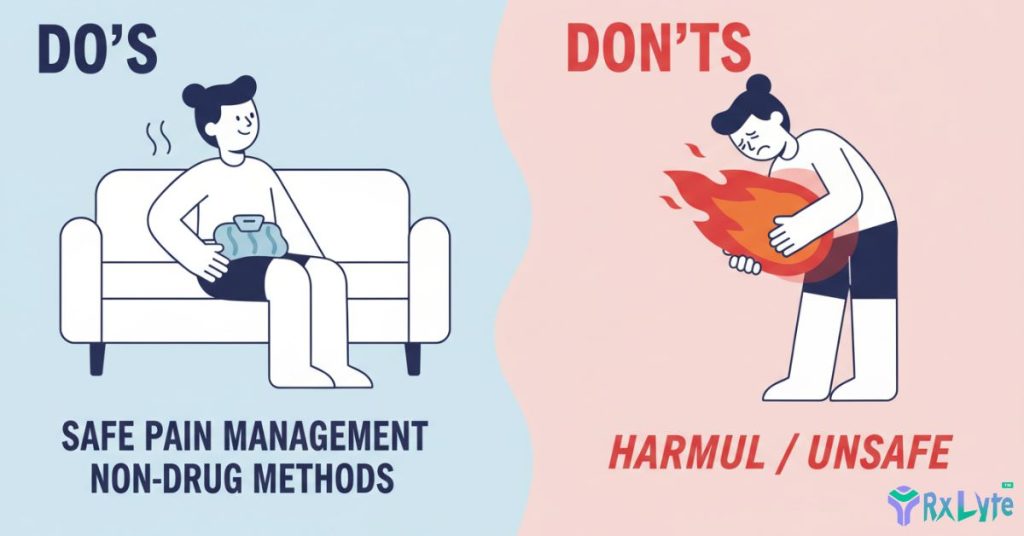
Take care of your pain safely by doing these things:
- Do begin with the lowest dose that works.
- Don’t use drugs alone; instead, use heat or exercise.
- Do record how much you take to avoid overdosing.
- Like, don’t mix types (like taking more than one NSAID).
- Do not go over the maximum doses.
- Do not use it for a long time without checking on it.
- Do not drive while high on opioids.
Cool, dry storage; throw away after the expiration date.
Pro Tip: Take ibuprofen and acetaminophen alternately to get better coverage, but check with your doctor first.
When You Should See a Doctor
Talk to your doctor if the pain lasts more than a week, gets worse, or comes after an injury. Hurry if you have severe allergic reactions, breathing problems, or overdose symptoms like feeling confused. Check for new pain, swelling, or numbness; these may indicate an infection or a clot. Set up follow-ups for long-term use.
Conclusion
If you use painkillers like acetaminophen, NSAIDs, and some prescription drugs the right way, they can help with everything from minor aches to severe pain. Stick to doses and keep an eye on things to weigh the benefits against the risks to your liver, stomach, and addiction. Learn as much as you can and work with your doctor to find the best way to safely manage your pain. Start talking about it right now.
Frequently Asked Questions
Yes, alternating can help with moderate pain, but don't take more than the daily maximums (4g acetaminophen and 2.4g ibuprofen). As per clinical guidelines, this mix works for many people. But to avoid putting too much stress on your liver or stomach, talk to your doctor first.
In the beginning, acetaminophen is often the first choice. However, NSAIDs should not be used after 20 weeks because they pose risks to the developing baby. Only use opioids if you have to. Your obstetrician looks at the pros and cons.
NSAIDs, unlike acetaminophen, which only works in the brain, stop inflammation all over the body through prostaglandins. This makes them great for sprains or arthritis. Both ease pain, but only one fits the symptoms.
Limit to 3-5 days for acute pain; longer needs evaluation for underlying issues. Track symptoms for safe use.
Only short-term for severe cases when others fail, due to addiction risks per FDA. Try NSAIDs or therapy first.
Acetaminophen, as it's gentler on the gut than NSAIDs. Take with food anyway.
0 Comments