


Danniel Martinez
Verified Author Certified Health Writer M.A Psychology AHCJ Member
 MEDICALLY REVIEWED
Dr. Sarah Chen, MD, PhD
Neurologist & Cognitive Researcher
 Harvard Medical School Harvard Medical School Harvard Medical School
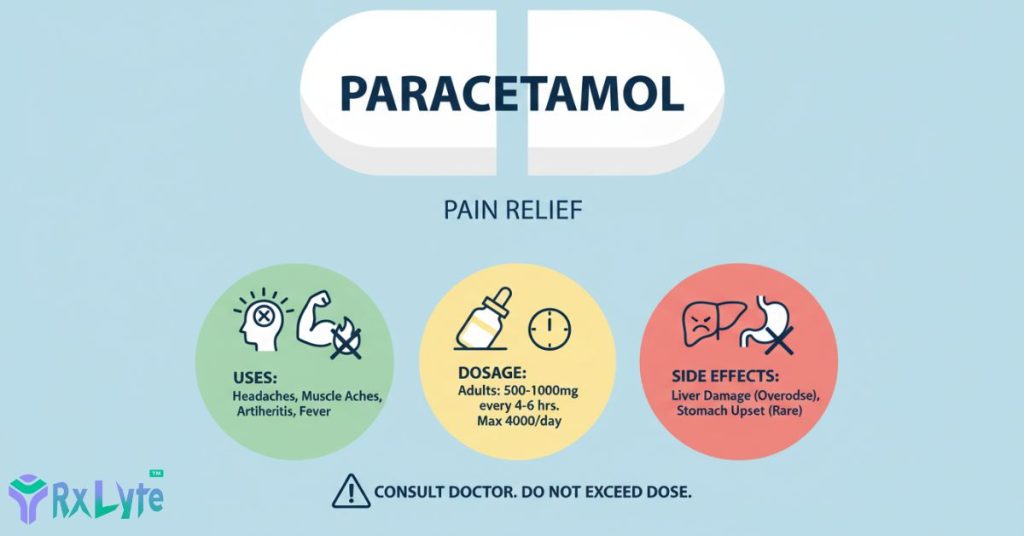
 One of the most common over-the-counter medicines used to treat pain and fever is paracetamol, which is also known as acetaminophen in North America. Over 600 prescription and over-the-counter medicines contain acetaminophen, according to FDA guidelines. It is essential to understand how to use these medicines correctly to avoid accidentally overdosing. When taken correctly, this well-known medicine has been used safely for decades to treat headaches, muscle aches, arthritis pain, and fevers without causing stomach problems like some other pain killers do.
What is paracetamol, and how does it work?
Analgesic (relieves pain) and antipyretic (lowers fever) drugs like paracetamol are available without a prescription in most countries. Unlike nonsteroidal anti-inflammatory drugs (NSAIDs) like ibuprofen, paracetamol mostly affects the central nervous system instead of reducing inflammation at the site of an injury. The medicine comes in a number of different forms, such as tablets, capsules, liquid suspensions, and hospital-only intravenous preparations.
Common Health Problems It Treats
The drug is known by different names in different parts of the world. In the US and Canada, it is called acetaminophen, while in Europe, Australia, and most other places, it is called paracetamol. Both names are used to refer to the same chemical compound. When you buy paracetamol on its own, or with other active ingredients in cold and flu medicines, sleep aids, or prescription painkillers, you can find it. Because these medicines are so easy to get, it’s important to read the labels carefully, as many people take more than one that has the same active ingredient without realizing it.
Paracetamol: How Does It Work?
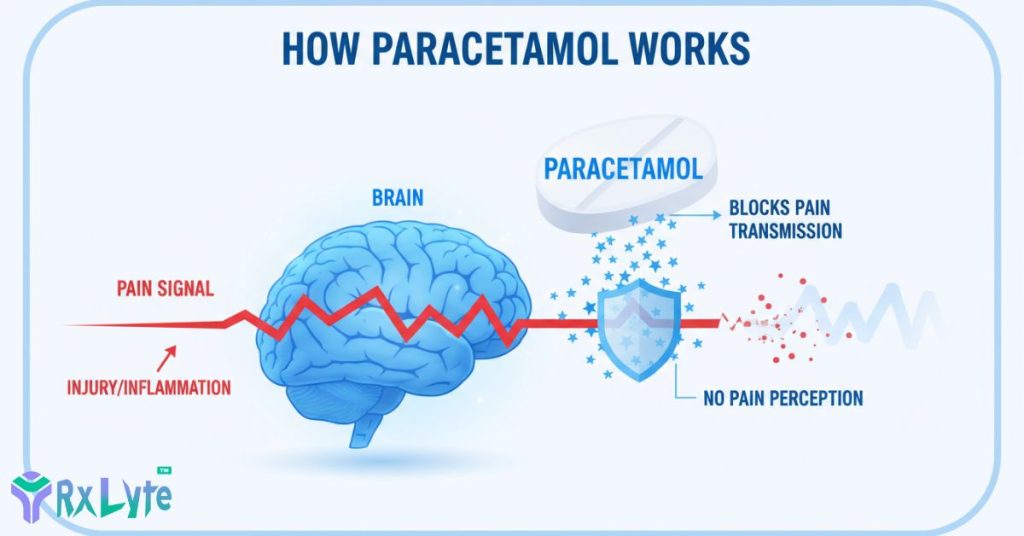
Paracetamol’s healing effects are mostly felt in your brain and central nervous system, while most pain killers work at the site of the injury. Medical journal research shows that paracetamol selectively stops cyclooxygenase enzymes from working, especially COX-3, a type that is found in brain tissue. This stops the production of prostaglandins, which are chemicals that tell your body about pain and start the fever response.
How Things Work in the Brain
When you’re in pain or have a fever, your body makes prostaglandins, which make pain signals stronger and reset the hypothalamus’s temperature thermostat. Paracetamol stops the production of prostaglandins in the brain’s central area. This lowers your pain perception and brings your body temperature back to normal. Studies show that paracetamol lowers the pain caused by substance P and changes the production of nitric oxide in the spinal cord that makes pain worse. This is one of the ways that it relieves pain. Its antipyretic effects are caused by lowering prostaglandin levels in the hypothalamus. This is because prostaglandins are very important for keeping body temperature normal.
When someone has an infection, paracetamol lowers their body temperature, which makes them feel better.
| Adults | 500–1000 mg every 4–6 hrs | 4000 mg/day |
| Children | Weight-based dosing | Doctor advised |
| Elderly | Lower doses may be needed | Medical supervision |
Timeline of Effects
Oral paracetamol usually starts to work 30 to 60 minutes after being taken, and blood levels reach their peak about 1 to 2 hours after a dose. The effects of painkillers and fever reducers usually last 4 to 6 hours, which is why the standard dosing intervals listed on drug labels are that long. Most of the drug is broken down in your liver, and only a small amount is flushed out of your body unchanged by your kidneys. Knowing this timeline will help you plan your doses better and resist the urge to take extra doses too soon.

Uses and benefits of medicine
People of all ages can use paracetamol as their first choice for treating a number of common health problems. It is often suggested by doctors because it is known to be safe when used in the right amounts and has a softer impact on the stomach than NSAIDs.
Uses for Pain Relief
This medicine works well to treat mild to moderate pain from a number of sources, including
- Takes away the pain of tension headaches and mild to moderate migraines
- Aches in the muscles: eases pain from exercise, physical strain, or small injuries
- Arthritis pain: eases the pain of osteoarthritic joints
- Dental pain: helps with toothaches and pain after dental work
- Period cramps: eases the pain of having your period
- Back pain: eases general lower back pain
- Post-surgery pain: Often taken with other painkillers to control pain after surgery
Clinical practice guidelines say that paracetamol is a good choice for people who can’t take NSAIDs because they make their stomachs sensitive, cause bleeding, or affect their heart health.
Fever Reduction
Paracetamol works well to lower high body temperatures that come from infections, illnesses, and reactions to vaccines. WHO data show that it is widely used around the world to treat fevers in both children and adults. The medicine helps your body get back to normal temperature by working on the part of your brain that controls heat. It doesn’t change the normal temperature of people who don’t have a fever. Paracetamol is often suggested by doctors as a better pain reliever during pregnancy and for people who are taking blood-thinning drugs, since aspirin and NSAIDs may pose extra risks in these situations.
Recommended Dosage and How to Give It
For safe and effective paracetamol use, it is very important to know the right dose. The FDA stresses that people should limit how much acetaminophen they take every day to avoid serious liver damage from overdosing.
Adult Dosing Guidelines
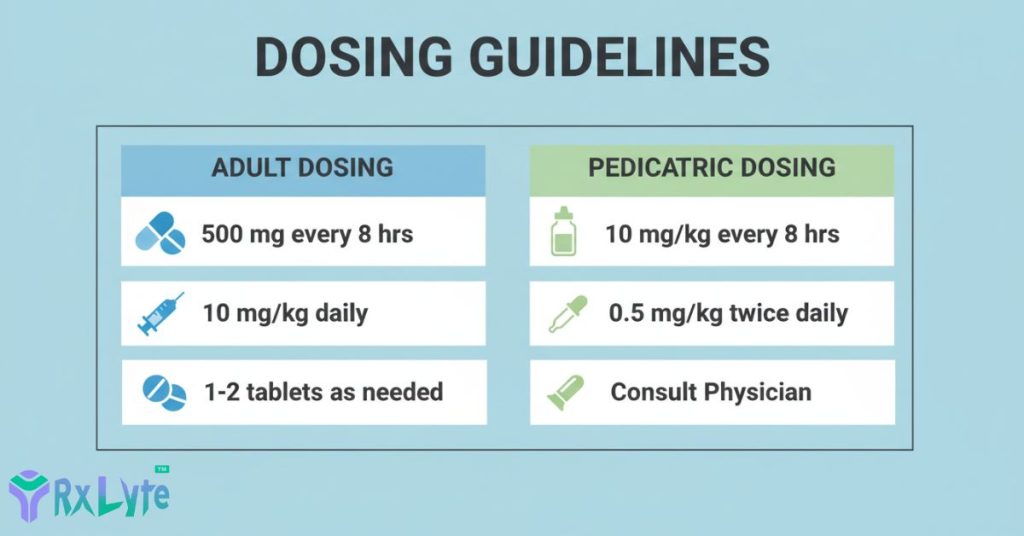
Dosing instructions approved by the FDA say that adults and teens 13 years or older who weigh 50 kg (110 pounds) or more should follow these steps:
1. Dosage: 650 mg to 1000 mg every 4 to 6 hours, or as needed.
2. Max dose in one go: 1000 mg
3. At least 4 hours must pass between doses.
4. The most that can be taken in 24 hours is 4000 mg (4 grams).
5.Recommended safe daily limit: Many doctors say that long-term use should be limited to 3000 mg or less per day to protect the liver.
To lower the risk of hepatotoxicity, the National Comprehensive Cancer Network panel suggests that doctors think about giving acetaminophen in doses of 3 grams or less per day. If you need pain relief for more than 10 days or a drop in fever for more than 3 days, you should see a doctor to get to the root of the problem.
Pediatric Dosing
- 10 mg per kg of body weight, three or four times a day (up to 40 mg/kg a day), for babies younger than one month.
- For kids ages 1 month and up, 15 mg per kg of body weight, three or four times a day, up to 60 mg/kg a day.
- Teenagers who weigh less than 50 kg: 12.5 mg per kg every 4 hours or 15 mg per kg every 6 hours (up to 75 mg/kg per day, or 3750 mg total).
Always use the measuring tool that comes with liquids, because regular spoons come in different sizes and can cause dosing mistakes.
Safe Ways to Take Paracetamol
You can take paracetamol with or without food because it is not greatly affected by food. When taking liquids, make sure to shake them well before measuring out each dose. Swallow tablets or capsules whole with water. Do not chew or crush extended-release forms because this can cause too much medicine to be released at once. Keep track of all the medicines you’re taking so you don’t accidentally take more than the daily maximum from more than one source. If you take paracetamol regularly, keep a medication log or set alarms to make sure you don’t accidentally take two doses.
Steps You Can Take Without Getting Sick
You don’t have to eat or drink anything before taking paracetamol because it doesn’t change much when you do. When you take liquids, make sure to shake them well before you measure out a dose. Take pills or capsules with water and swallow them whole. Long-acting forms should not be chewed or crushed, as this can make too much medicine come out at once. Don’t take more than the daily limit from more than one source by accident. Keep track of all the medicines you’re taking. If you take paracetamol often, write down your doses or set alarms to make sure you don’t take two by accident.
Effects That Happen Often
When taken in the right amounts, paracetamol doesn’t bother most people. When they do happen, these are common responses:
- Mild sickness
- Not feeling well
- Rash or itching on the skin
- headache (surprisingly, in some people)
Most of the time, these reactions go away on their own, and the medication doesn’t need to be stopped. If you are in pain that won’t go away, talk to your healthcare provider about other ways to relieve your pain.
Serious Side Effects That Need Medical Help
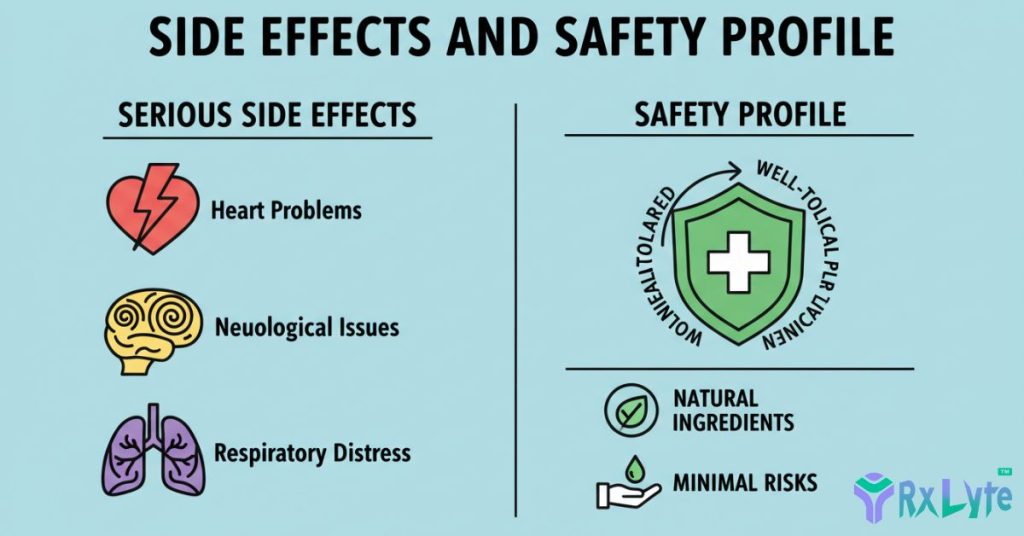
- Serious side effects are rare when paracetamol is used correctly, but they need to be checked out right away by a doctor. Stop taking paracetamol and go to the emergency room if you:
- Allergic reactions: trouble breathing, swelling of the face, lip, tongue, or throat, and severe skin reactions like blistering or peeling.
- Yellowing of the skin or eyes (jaundice), dark urine, clay-colored stools, extreme tiredness, loss of appetite, and pain in the upper right abdomen are all signs of a liver problem.
- Blood disorders include unusual bleeding or bruising, a sore throat that won’t go away, and a fever.
- Skin reactions that are very bad, like Stevens-Johnson syndrome or toxic epidermal necrolysis, are very uncommon.
According to research published in medical journals, acute liver injury can happen even at therapeutic doses in people who are more likely to get it, like those who already have liver problems or drink alcohol at the same time.
Rare Adverse Reactions
There have been very few reports of blood disorders like agranulocytosis, thrombocytopenia (low platelet count), and leukopenia (low white blood cell count) in medical literature. Some people have had hypersensitivity reactions with symptoms that accompanied them. Because these reactions don’t happen very often, paracetamol keeps its reputation as one of the safest painkillers when used correctly.
Warnings and Contraindications
Knowing who shouldn’t take paracetamol or should use it very carefully helps avoid serious problems and ensures that medications are used safely.
Those who should not take paracetamol
People who are known to be hypersensitive to or who have an unusual reaction to paracetamol or any of the inactive ingredients in the product should not take it. If you have ever been allergic to paracetamol, you should tell your doctor before starting any new medications, since this ingredient is found in a lot of combination products. Also, people with severe hepatic (liver) failure or acute liver disease shouldn’t take paracetamol without a doctor’s direct supervision, because the drug is broken down in the liver in a lot of steps.
Exceptional Groups: Women who are pregnant or breastfeeding
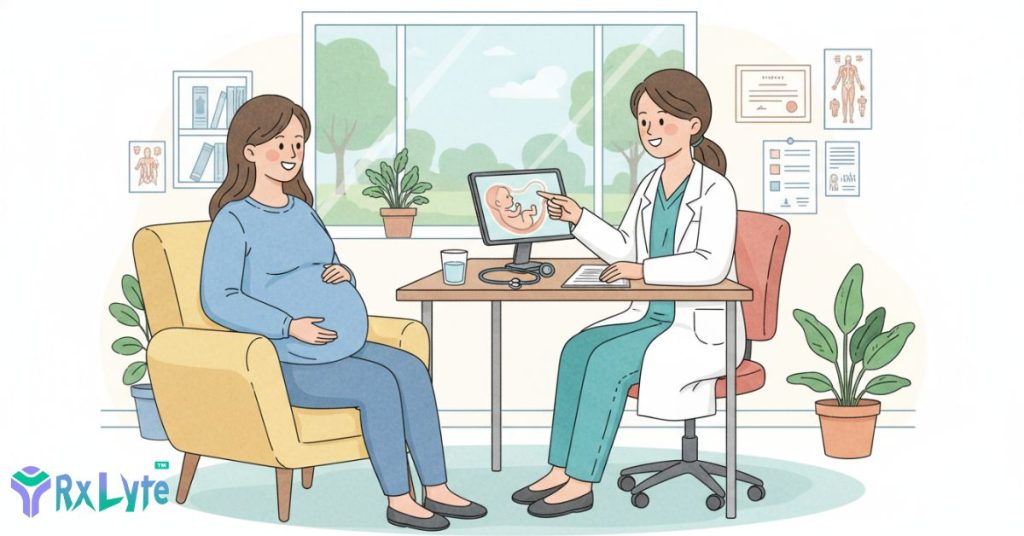
NHS medical advice says that paracetamol should be used at the lowest effective dose for the shortest amount of time as a first-line treatment for pain and fever during pregnancy. The UK Medicines and Healthcare products Regulatory Agency (MHRA) regularly reviews paracetamol safety and advises that there is no evidence that taking paracetamol during pregnancy causes autism in children, a concern that recent studies have addressed. When used correctly, healthcare professionals should tell their patients that the benefits to the mother and unborn child outweigh the risks.
Normal doses of paracetamol are safe for women who are breastfeeding. A very small amount of it gets into breast milk, much less than what an infant would get from a direct pediatric dose. Paracetamol has been used to treat pain during breastfeeding for many years without any reported side effects on children. This makes it the best painkiller to use during this time.
Conditions that were there before that need extra care
Be careful taking paracetamol if you have:
- If your liver function is poor because of cirrhosis, hepatitis, or a history of liver disease, you might want to limit your daily dose to two to three grams.
- Kidney problems: Lower clearance may mean that the dose needs to be changed.
- Chronic alcohol use: drinking more than three drinks a day raises the risk of liver damage
- When you are malnourished or fasting, your glutathione stores drop, making you more likely to get liver damage.
- Dehydration: Long-term use may raise the risk of kidney damage
- G6PD deficiency: Can sometimes cause hemolytic anemia in people who are susceptible
Before starting regular paracetamol therapy, you should always tell your doctor about any health problems you already have.
How Drugs and Supplements Work Together
Even though paracetamol doesn’t interact with a lot of other drugs, there are a few important ones that you should be aware of and manage.
Drugs that interact with paracetamol
Paracetamol and warfarin (a drug used to thin the blood) have the most clinically important interaction. Medical journal research shows that taking 4 grams of paracetamol every day makes the blood-thinning effect of warfarin stronger, which raises the risk of INR (International Normalized Ratio) and bleeding. Studies show that taking paracetamol together with other drugs can cause an INR increase of up to 1.04, which is noticeable after only 4 days of use. The process seems to involve paracetamol or its byproducts interfering with enzymes that make clotting factors that depend on vitamin K.
Some other important interactions are:
- Other products with acetaminophen: The chance of overdosing by accident when taking other medicines is higher.
- Isoniazid (a drug used to treat tuberculosis) may raise the risk of liver damage.
- Medications used to treat seizures, like carbamazepine and phenytoin, may make it more likely that paracetamol will not work properly in the liver.
- Cholestyramine, a cholesterol drug, may make it harder for the body to absorb paracetamol if taken within one hour.
If you are taking warfarin or another oral anticoagulant, your doctor should carefully watch your prothrombin time when you start taking high doses of paracetamol.
Alcohol and paracetamol together are very dangerous.
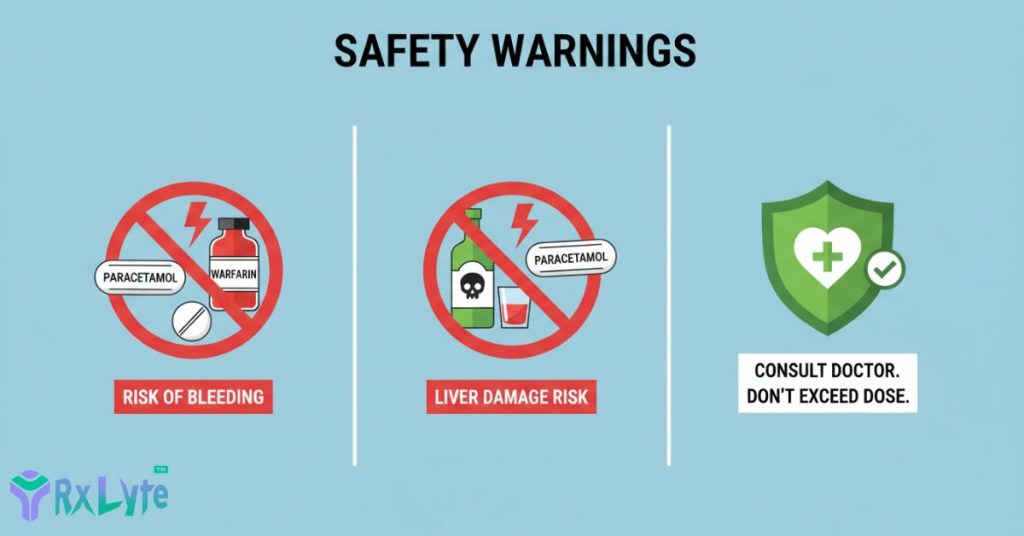
The dangerous effect that paracetamol has on alcohol is a major safety concern. According to studies published in reputable medical journals, drinking alcohol regularly raises the activity of liver enzymes, especially CYP2E1. This leads to more NAPQI being made, which is a harmful substance that damages the liver. Chronic alcoholism also lowers the production of glutathione, which is a protective compound that neutralizes NAPQI. This makes liver necrosis worse.
Acute liver failure has been seen in alcoholics who took doses of 5 grams or less per day. If you drink three or more alcoholic drinks a day, the FDA says you should talk to your doctor about whether you can safely take paracetamol. Therapeutic doses may not always raise the risk of hepatotoxicity in alcoholics, but the prognosis is much worse when chronic alcohol use is combined with paracetamol overdose.
Where to Find Acetaminophen in Secret
Consumer alerts from the FDA say that more than 600 medicines contain acetaminophen. Some hidden sources are:
- Products that work for both colds and flu
- Pain relief that helps you sleep at night
- Medicines for sinuses and allergies
- Painkillers with a prescription (combined with opioids)
- Formulations for relieving menstrual pain
- Products made just for migraines
Read the active ingredients section of medicine labels very carefully, and look for “acetaminophen,” “paracetamol,” “APAP,” or “acetam” to find products that have this drug.
What to Do and Not Do When Taking Paracetamol
By following best practices, you can get the most out of paracetamol while minimizing the risks that come with using it incorrectly.
The safest ways to use something
DO:
- Before each use, read the medicine labels carefully.
- Use the measuring tool that comes with liquid formulations.
- Take the smallest dose that works for as little time as possible.
- If you take paracetamol often, keep a medication log.
- Tell everyone who treats you about the paracetamol you take, even dentists and specialists.
- Before taking paracetamol with other drugs, talk to your pharmacist.
- See a doctor if you have pain that lasts more than 10 days or a fever that lasts more than 3 days.
DO NOT:
- More than 4000 mg (4 grams) in 24 hours from all sources
- If you miss a dose, you should take two of them.
- Children should not be given adult formulas without first doing the math.
- Don’t think that all pain killers are the same—paracetamol is different from NSAIDs.
- Keep taking paracetamol for long periods of time without consulting a doctor.
- When mixing paracetamol-containing items, don’t forget to check the total daily dose.
- Ignore the early warning signs of liver problems, like feeling tired all the time or having stomach pain.
Advice on how to store and handle
Keep paracetamol at room temperature, away from heat and moisture that is too high. To avoid confusion, keep medicines in their original containers with labels that are still attached. Do not keep paracetamol in medicine cabinets in the bathroom, as the humidity can break down the medicine. Medications should be kept out of sight and out of reach of children. A locked cabinet is best. Regularly check the expiration dates on medications and properly get rid of old ones by using pharmacy take-back programs or following FDA disposal guidelines—never flush medications down the toilet unless told to do so. Once a liquid formula is opened, it may not last as long, so check the product information to find out how long it can be stored after the bottle is opened.
When You Should See a Doctor
When you know when to see a doctor, you can avoid problems and make sure you get the right treatment for underlying conditions.
Signs of an Overdose
A paracetamol overdose is a medical emergency that needs to be treated right away. Early recognition makes outcomes much better. Get medical help right away if you or someone else has taken more than 4000 mg in a day, even if there are no symptoms yet.
When someone takes too much paracetamol, their symptoms usually get worse over time.
Step 1: From 0 to 24 hours after ingestion:
- Sickness and throwing up
- Not being hungry
- Sweating too much
- Flawless skin
- Generally sick
Stage 2: Within 24 to 72 hours:
- Right upper back pain
- Having a sore liver
- Urine output is going down
- High levels of liver enzymes can be found in blood tests
Stage 3: During the next 72 to 96 hours,
- Getting jaundice (skin and eyes turning yellow)
- Having trouble thinking or feeling
- Issues with bleeding
- Possible failure of the liver
Treatment with N-acetylcysteine (NAC) works best when started early, so it’s important to see a doctor right away, even if you feel fine at first.
Emergency Situations
Get in touch with emergency services or go to the nearest emergency room right away if you:
- Thought to be an overdose or accidental ingestion by a child
- Strong allergic reactions that make it hard to breathe or cause the face to swell
- Jaundice, dark urine, or severe stomach pain are all signs of liver damage.
- Not normal bleeding or bruises
- Bad skin reactions like blistering, peeling, or a large rash
- Having trouble concentrating or feeling different after taking paracetamol
Also, talk to your doctor (not in an emergency) if the pain doesn’t go away even though you’re taking paracetamol regularly, if the fever lasts longer than three days, if you need pain relief for more than ten days, or if you develop any new or worsening symptoms while taking the medicine.
Conclusion
When used according to the directions, paracetamol is still one of the safest and most effective ways to treat mild to moderate pain and fever. Knowing the right dose (never more than 4000 mg per day) and how it might interact with other drugs or alcohol can help you get the most benefits with the least amount of risk. This tried-and-true medicine can help with headaches, muscle pain, and fevers in people of all ages, as long as they are aware of any underlying health conditions and possible side effects.
Before starting regular paracetamol therapy, you should always talk to your doctor, especially if you have liver disease, kidney problems, or take a lot of medications every day. Carefully read labels to avoid finding acetaminophen hidden in combination products. Also, never wait to get emergency medical help if you think you may have overdosed or are showing signs of liver damage. By following these safety tips that have been shown to work and staying within the recommended dose ranges, you can use paracetamol with confidence as an important part of your plan to treat pain and fever while also protecting your long-term health.
Frequently Asked Questions
Yes, adults can usually switch between or mix paracetamol and ibuprofen because they work in different ways. But you should always talk to your doctor before taking two or more painkillers together, especially if you already have a health problem or take other medicines regularly.
Within 30 to 60 minutes of taking a dose, paracetamol usually starts to lower fever, and the full effects happen after 1 to 2 hours. The effect of lowering your fever usually lasts for 4 to 6 hours. If you need to, you can take another dose, as long as it doesn't go over the daily limit.
While paracetamol is usually safe when taken in the recommended amounts, it should only be used every day for a long time with the help of a doctor. If you need daily pain relief for a long-term condition, talk to your doctor to make sure you're being properly monitored and to find out if paracetamol is still the best choice for you.
Get emergency medical help right away, even if you don't feel sick. If you take too much paracetamol, it can hurt your liver badly, and you might not even know it for 24 hours or more. The antidote N-acetylcysteine works best when started early, so anyone who has taken more than the recommended dose needs to see a doctor right away.
Because it doesn't block prostaglandins in the digestive tract, paracetamol is much easier on the stomach than NSAIDs like aspirin or ibuprofen. Most people can take paracetamol without getting stomach pain, which makes it a good choice for people who have sensitive stomachs or a history of ulcers.
Some products combine paracetamol with other active ingredients to treat more than one symptom at the same time. For example, decongestants are often mixed with caffeine to treat migraines or opioids to make pain control stronger. But these combinations make it more likely that you will take too much paracetamol by accident when you are already on a lot of other medicines.
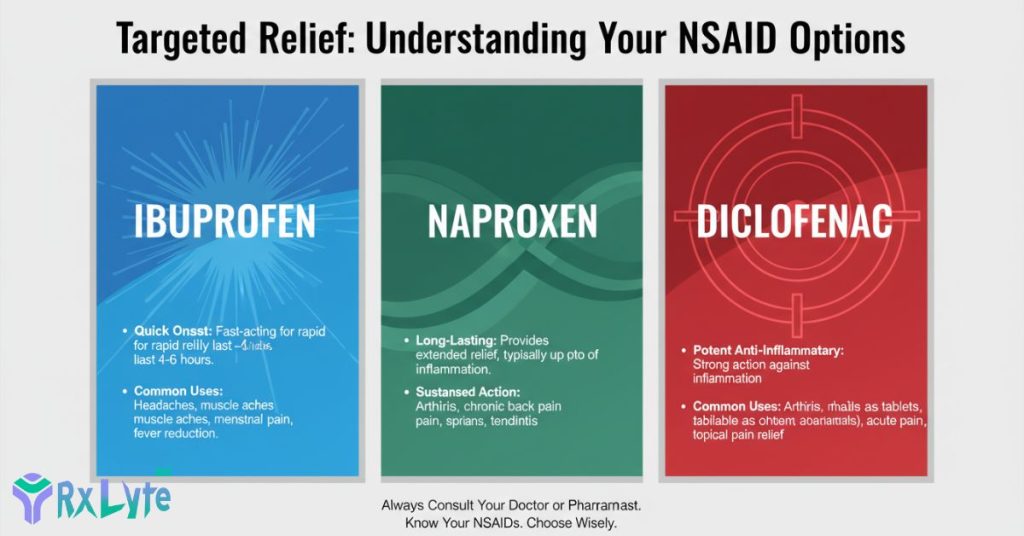
No, paracetamol is not as good at reducing inflammation as NSAIDs like ibuprofen or naproxen. Through effects on the central nervous system, paracetamol effectively lowers fever and pain, but it doesn't do much to reduce tissue inflammation. If your doctor thinks that inflammation is making your symptoms worse, they may suggest that you take an NSAID instead of or along with paracetamol.
0 Comments